
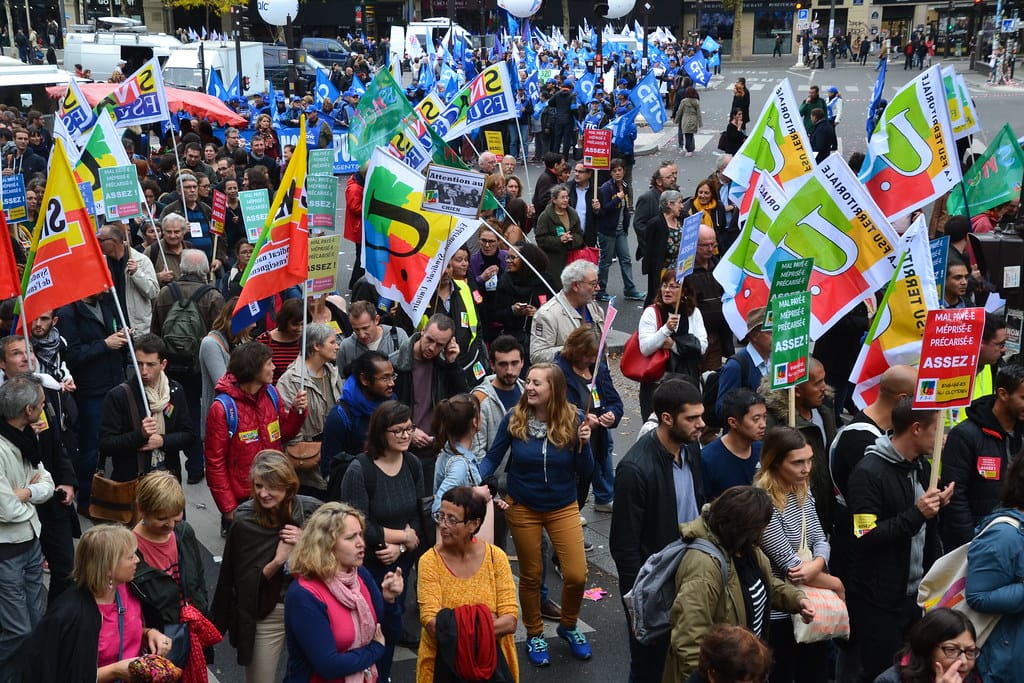
Louvre workers strike has entered a new phase after staff at the world’s most visited museum voted to extend industrial action, keeping parts of the Paris landmark closed while tensions with management remain unresolved.
Union representatives say frustration has grown following long-standing pay disputes, staff shortages, and renewed security concerns, especially after recent incidents exposed vulnerabilities inside the museum.
Why Louvre workers are extending the strike
The strike is not limited to salaries alone. Employees argue that workloads have increased sharply as visitor numbers recover, while staffing levels have failed to keep pace. Guards, gallery staff, and support workers report longer shifts and greater responsibility without matching compensation.
Security has become a central issue. Recent theft incidents, including the high-profile robbery of historic jewels earlier this year, intensified staff fears. Workers say management did not take adequate preventive steps, leaving frontline employees exposed during peak visiting hours.
Union leaders insist that extending the strike was a necessary move to force meaningful negotiations rather than short-term promises.
Partial reopening fails to ease tensions
Although parts of the Louvre have reopened to limit disruption, unions argue the measure does little to address core issues. Staff say partial reopening increases pressure on fewer workers, creating safety risks for both employees and visitors.
From a labour perspective, this hybrid approach has hardened positions. Workers believe reopening without agreements weakens trust, while management faces pressure from tourism bodies and the French government to keep the museum accessible.
Impact on Paris tourism and France’s image
The Louvre is not just a museum; it is a symbol of France’s global cultural influence. Prolonged disruption affects hotels, tour operators, and local businesses, particularly during high-season travel periods.
For European tourism, the strike highlights a wider trend: cultural institutions struggling to balance post-pandemic recovery with staff welfare. Similar disputes have surfaced in museums and heritage sites across Europe, signalling structural challenges rather than isolated conflicts.
Political and institutional pressure mounting
The French government is watching closely. While museum governance operates independently, prolonged closures at national landmarks quickly become political issues. Opposition parties have already raised concerns about underfunding cultural institutions and neglecting worker safety.
Labour experts note that a failure to resolve the Louvre dispute could embolden strikes in other public institutions, especially in sectors facing similar pressures such as transport, education, and healthcare.
What happens next?
Talks between unions and management are expected to continue, but no immediate breakthrough appears likely. Workers have signalled they will maintain pressure until concrete commitments on pay, staffing, and security upgrades are agreed.
If the standoff drags on, visitors may face further closures or restricted access in the coming weeks. For now, the Louvre workers strike remains a powerful reminder that Europe’s cultural icons depend not only on art, but on the people who protect and run them every day.