

Article:-
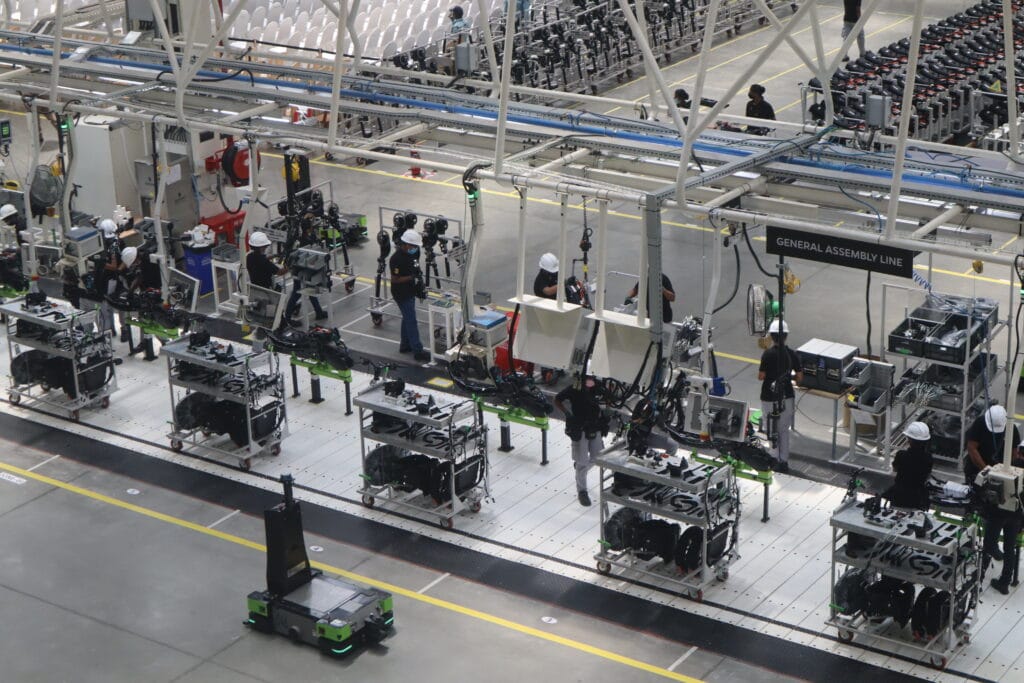
France EV battery factory development has reached a new milestone as the country expands its electric vehicle infrastructure with a newly opened battery production site near Dunkirk. The move reflects France’s long-term plan to secure its EV supply chain and protect the automotive sector from global supply risks.
Why the Dunkirk location matters
Northern France offers strong logistical advantages. Its proximity to major ports and European transport routes allows battery components to move quickly across borders. This positioning supports both French carmakers and manufacturers operating across Europe.
Reducing dependence on foreign suppliers
Europe currently relies heavily on Asian battery imports, particularly from China. French policymakers view this dependency as a strategic weakness. By expanding domestic battery manufacturing, France aims to gain better control over pricing, supply stability, and industrial planning.
Economic impact and job creation
The new factory is expected to create thousands of jobs across construction, engineering, and long-term operations. Local authorities believe the project will attract further clean-energy investment and strengthen the regional economy.
Alignment with European climate goals
The factory supports broader EU objectives to cut emissions and accelerate electric vehicle adoption. Producing batteries closer to vehicle assembly plants also reduces transport emissions and improves environmental efficiency.
What comes next
Industry analysts expect the Dunkirk facility to reach full production capacity within the next few years. If successful, it could become a core part of Europe’s battery network by the end of the decade.
France’s latest investment signals more than just industrial growth. It reflects a strategic shift toward technological independence, energy security, and sustainable mobility. As Europe moves deeper into the electric vehicle era, projects like this battery factory are likely to shape both economic resilience and environmental progress.