
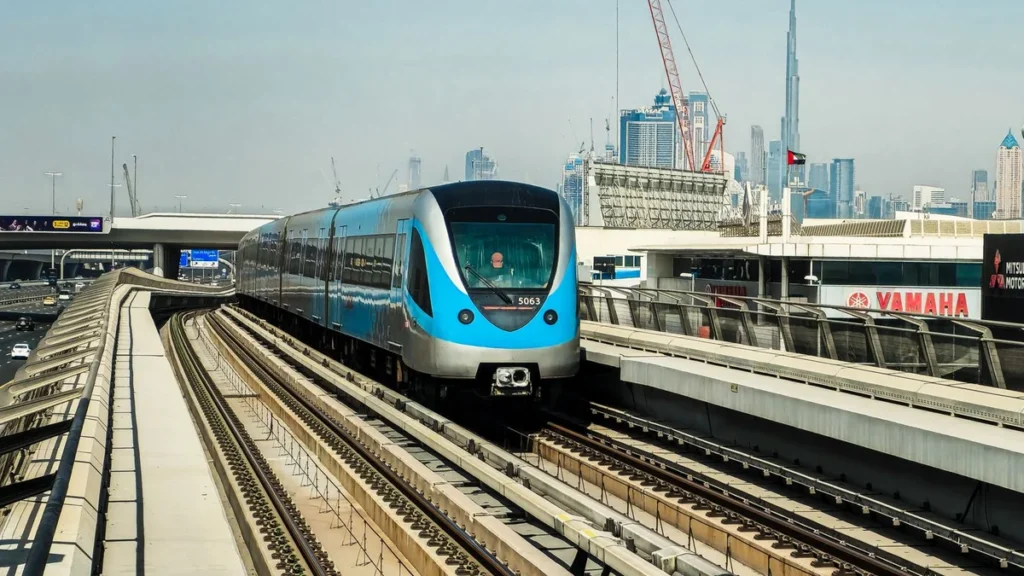
A Dubai Metro Nol card is the smart card that opens the door to public transport in Dubai, because it works on the Metro, on buses, on the Tram, and on marine transport, and it removes the need to buy a separate ticket for every trip. For a resident, a worker, and a visitor, the card is a simple tool that saves time at the station, keeps travel costs in one place, and makes a daily commute or a short holiday trip much easier to plan. The card is tapped at the start of a trip and tapped again at the end, and the fare for that trip is taken from the balance on the card, so the traveller does not need cash at the gate.
This guide explains the Dubai Metro Nol card in plain language, with the main card types, the price and balance rules that matter, and the steps to recharge a card online and at a station. It also explains how to check a balance, what to do when a card is lost or damaged, and which card suits a daily commuter, a family, and a short stay visitor. Prices and offers can change, so the official Roads and Transport Authority portal should be checked for the current price before a card is bought, and this guide points to that official portal for the latest details.
What is a Dubai Metro Nol card
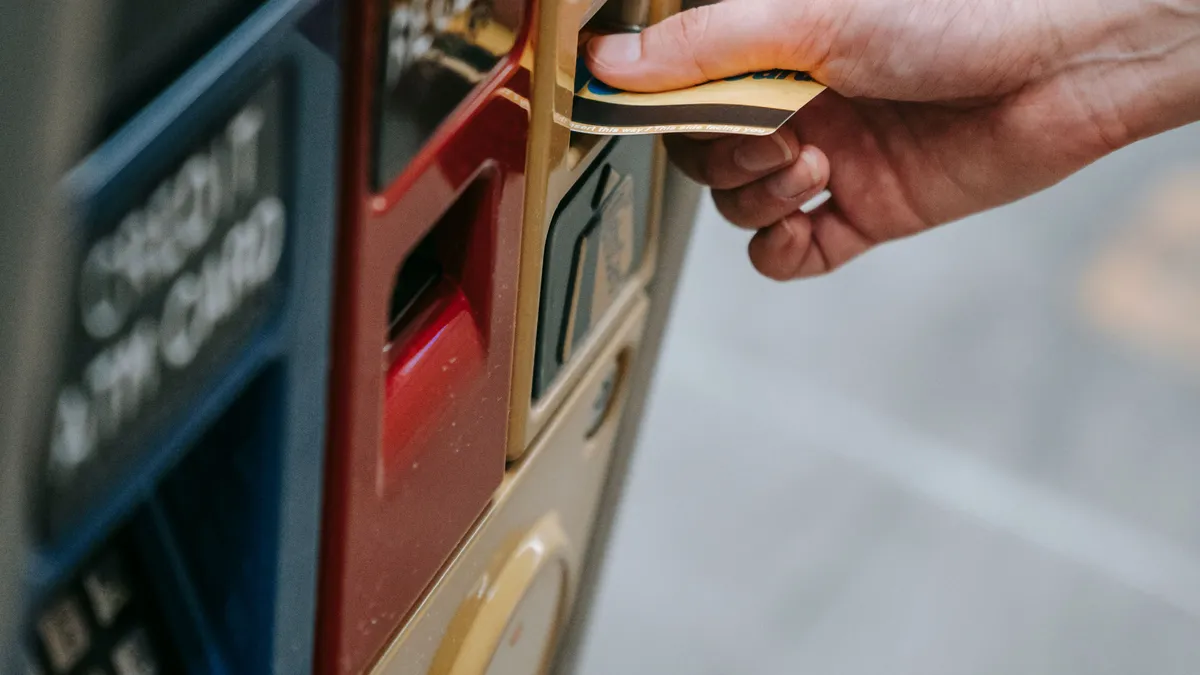
A Nol card is a contactless smart card issued for public transport in Dubai, and it is managed through the Roads and Transport Authority, which is the official transport authority for the city. The traveller holds the card near a reader at a Metro gate, a bus door, a Tram platform, or a marine station, and the system records the start of the trip and then the end of the trip. The fare is calculated from the zones travelled, and the amount is taken from the balance stored on the card, so no cash changes hands at the gate and no paper ticket is needed for each trip.
The card is useful because one card covers several modes of transport, and a traveller can change from the Metro to a bus or to the Tram without buying a new ticket at each change. This makes a daily commute simpler, because the same card works for the morning trip to work, the evening trip home, and a weekend trip to a mall or to a beach. For a visitor, the card also removes a common worry, because the traveller does not need to understand a separate ticket system for each mode of transport on the first day in the city.
A Nol card is not a bank card and it is not an identity document, and it should be kept separate from bank cards so that the wrong card is not tapped by mistake. The card has a number printed on it, and that number is useful when the balance is checked, when a card is recharged online, and when help is requested from the transport authority. A traveller should keep the card in a safe place, should avoid bending it, and should keep it away from strong magnets and from other contactless cards that could confuse a reader at a gate.
Dubai Nol card types and who should use each one
The best known Nol cards are the Silver card, the Gold card, the Blue card, and the Red Ticket, and each one suits a different kind of traveller. The Silver card is the standard card for most daily travellers, because it works on all the main modes of transport and it can be recharged again and again. The Gold card works in the same way, but it also gives access to the Gold Class cabins on the Metro, which have more space and a quieter ride, and it suits a traveller who wants extra comfort on a long Metro trip.
The Blue card is a personalised card, which means it is linked to the name of the holder, and it is often chosen by students, by senior citizens, and by people with a disability, because special fares and concessions can be linked to it where the transport authority allows them. A Blue card also has a clear advantage if it is lost, because a personalised card can be blocked and the remaining balance can be moved to a new card in many cases, while an anonymous card cannot be protected in the same way. The traveller should check the current eligibility rules for a Blue card before applying, because the categories and the documents needed can change.
The Red Ticket is different from the other cards, because it is a paper based ticket for a single trip or for a small number of trips, and it suits a visitor who only needs one or two Metro trips and does not want a reusable card. A Red Ticket cannot be recharged in the same way as a Silver or Gold card, and it is not the best choice for a daily commuter, because buying a new ticket for every trip soon becomes inconvenient. For a short stay, however, it is a simple option, and for a family visit it can be bought for each person who only travels once or twice during the trip.
Dubai Nol card prices, zones and balance rules
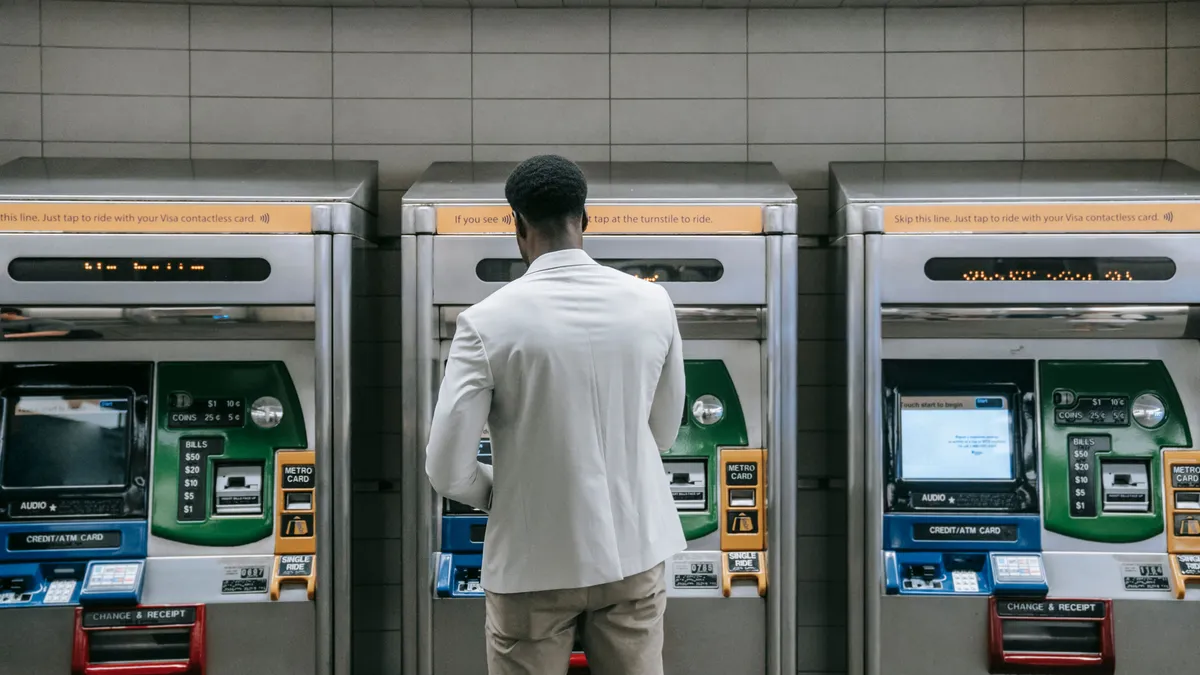
The price of a Nol card has two parts in most cases, because the traveller pays for the card itself and also receives a starting balance that can be used for travel. The starting balance is not a bonus in the sense of free travel, because it is part of the amount paid at purchase, and it is used up as trips are made. A traveller should ask for a receipt at purchase and should check the balance at a station reader or in the official app, so that the starting balance is clear from the first day and there is no surprise at the first gate.
Fares in Dubai are based on zones, which means a short trip inside one zone costs less than a longer trip that crosses several zones, and the system works out the fare when the card is tapped out at the end of the trip. This is why tapping out matters as much as tapping in, because a trip without a tap out can be charged at a higher default fare. A traveller who changes from the Metro to a bus within a short time may also benefit from transfer rules, but those rules have time limits, so the official portal should be checked for the current transfer window before a trip is planned around it.
A minimum balance is also important, because a card with a very low balance may be refused at a gate, even if the balance looks large enough for a short trip. The safest habit is to recharge before the balance falls to a low level, and to keep a small reserve for an unexpected return trip late at night. A traveller should also remember that a card has a maximum balance limit, so a very large recharge is not needed, and regular smaller recharges are easier to track and easier to replace if a card is lost.
| Card type | Best for |
| Silver and Gold cards | Daily travel and Gold Class comfort |
| Blue card and Red Ticket | Personalised use and occasional trips |
How to recharge a Dubai Nol card
A Nol card can be recharged at a Metro station, at a ticket machine, at a customer service point, and through the official RTA app and website, and the best method depends on how the traveller prefers to pay. At a station machine, the traveller places the card on the reader, chooses the recharge amount, and pays by card or by cash where the machine accepts it, and the new balance is added to the card at once. Online recharge is convenient for a traveller who wants to top up from home, but the traveller should check whether the balance needs to be activated at a station reader or a gate after an online payment, because some online top ups only appear on the card after the card is tapped at a reader.
A traveller should always check the balance after a recharge, either at a machine, at a gate display, or in the official app, before starting a long trip. If the balance does not update after an online recharge, the traveller should tap the card at a station reader first, and should keep the payment receipt until the new balance is confirmed. If the balance still does not appear, the receipt and the card number should be kept ready for a query with the transport authority, because those two details make it much easier to trace the payment.
For a daily commuter, a weekly recharge routine works well, because it avoids a low balance at a busy morning gate and it keeps travel spending easy to track. A traveller can also set a reminder to check the balance every Sunday evening, or after a certain number of trips, so that a recharge never becomes urgent. Visitors should recharge a smaller amount at first, because an unused balance at the end of a trip cannot always be refunded in full, and a smaller top up is easier to use up before departure.
- Check the current balance before a recharge, so the top up amount is right for the trips ahead.
- Choose a recharge method that fits the trip, such as a station machine for cash or the official app for a card payment.
- Confirm the new balance at a reader or in the app before starting a long trip.
- Keep the payment receipt until the new balance is confirmed, in case a query is needed.
Common problems with Dubai Nol cards
The most common Nol card problem is a low balance at the gate, and it usually happens when a traveller forgets to check the balance before a trip or when a long trip costs more than expected. The gate will refuse entry, and the traveller will need to step aside and recharge at a machine or at a service point before trying again. This delay is easy to avoid with a weekly balance check, and it is also wise to keep a small reserve on the card for a return trip, especially when travelling late at night when fewer service points are open.
A second common problem is a card that does not tap correctly, and this can happen when the card is bent, cracked, or kept in the same holder as several other contactless cards. The reader may pick up the wrong card, or it may fail to read any card at all, and the traveller may be charged on the wrong card or refused entry. The fix is simple in most cases, because the traveller should take the Nol card out of the holder, tap it alone on the reader, and keep it separate from bank cards in future. If the card is damaged, a replacement should be bought at a station, and a personalised Blue card holder should ask about moving the remaining balance.
A third problem is a missing tap out, which can lead to a higher fare than expected, because the system cannot work out the correct zones for the trip. A traveller who forgets to tap out should check the trip history in the official app or at a station, and should contact the transport authority promptly if a fare looks wrong, with the card number and the date and time of the trip ready. Keeping a habit of tapping in and tapping out on every trip, even on a short bus ride, protects the traveller from most fare disputes and keeps the travel record clean.
Nol card tips for families and visitors
For a family, the simplest plan is to give each traveller a separate card, because a card can only be tapped for one person at a gate, and sharing one card between family members at the same gate will cause delays and failed taps. Children who travel regularly should also have their own card, and parents should check the current rules for child fares and for free travel ages before the first trip, because those rules can change and they are not the same for every mode of transport. Keeping each card in a labelled holder helps at a busy station, because family members can find their own card quickly without searching through a bag at the gate.
Visitors should buy a card on arrival at the airport or at the first Metro station, because a card bought early saves time on every later trip and avoids the need to buy a paper ticket for each ride. A visitor who stays for a week should choose a reusable Silver card rather than a Red Ticket for every trip, because a reusable card is easier to recharge and it works on buses and on the Tram as well as on the Metro. A visitor should also note the card number in a phone or in a notebook, because that number is needed for an online recharge and for any query about a balance.
A daily commuter should build a simple weekly routine around the card, because a routine prevents the most common problem, which is a low balance on a busy morning. The routine can be as simple as checking the balance on Sunday evening, recharging at the station on Monday morning if needed, and checking the trip history once a month for any fare that looks wrong. A commuter who travels the same route every day will soon learn the usual fare for that route, and any charge that is much higher than usual should be checked promptly, while the trip details are still fresh.
Students and workers who use a personalised Blue card should keep the card safe and should report a loss at once, because a personalised card can be blocked and the balance can be protected in many cases, while an anonymous card cannot be protected in the same way. The holder should also keep the documents used for the application, because a replacement card may need the same details again. A student who changes school or a worker who changes employer should check whether the concession linked to the card still applies, because a change in status can affect the fare category.
Travellers who use Gold Class should remember that a Gold card is needed for Gold Class cabins, and a Silver card will not open a Gold Class gate, even if the balance is high. A traveller who boards a Gold Class cabin by mistake should move to a standard cabin at the next station and should check the fare rules for that trip, because travelling in Gold Class without the right card can lead to a fine. Families with children should also check the Gold Class rules before choosing that option, because comfort on a long trip must be balanced against the higher fare for each person.
When travelling with luggage, a traveller should tap in before boarding and should keep the card in a pocket or in a bag that is easy to reach, because a card buried in a suitcase will cause a delay at the gate and at the exit reader. A traveller who uses a bus after the Metro should tap in on the bus as well, because each mode of transport needs its own tap in and tap out, even when the trip is part of one journey. A traveller who forgets a tap on one leg of a journey should check the trip history, because a missing tap can affect the fare for the whole journey and not just for that leg.
For a trip to a new area, the traveller should plan the route before leaving home, using the official RTA journey planner or a station map, because knowing the stations and the changes in advance makes the trip much less stressful. The traveller should also allow extra time for the first trip on a new route, because finding the right platform and the right exit can take longer than expected, especially at a large interchange station. A traveller who is unsure about a route should ask station staff, because staff at major stations can explain the fastest route and the correct platform in a few minutes.
Finally, a traveller should treat the Nol card as a small but important part of daily life in Dubai, because it is used almost every day by commuters, by students, and by visitors, and a well managed card saves both time and money. Keeping the card safe, checking the balance regularly, recharging before it runs low, and tapping in and out on every trip are four habits that prevent almost all common problems. With those habits in place, public transport in Dubai becomes a reliable and low cost way to move around the city, from a daily commute to a weekend visit to a new part of town. Suggested read: The Business Bay property record report.
Conclusion
A Dubai Metro Nol card is a simple tool that makes travel across Dubai much easier, because one card covers the Metro, buses, the Tram, and marine transport, and the fare is taken from a single balance. The right card depends on the traveller, because a Silver card suits most daily trips, a Gold card adds comfort, a Blue card suits a personalised holder, and a Red Ticket suits a rare single trip. With a regular balance check, a timely recharge, and a habit of tapping in and tapping out on every trip, a Nol card will serve a commuter, a family, and a visitor well, and the official RTA portal should be checked for the current prices and rules before a card is bought.
FAQ
A Dubai Metro Nol card is a contactless smart card for public transport in Dubai. It works on the Metro, on buses, on the Tram, and on marine transport, and the fare for each trip is taken from the balance on the card when the traveller taps in and taps out.
A daily commuter should usually choose a Silver card, because it works on the Metro, on buses, and on the Tram, and it can be recharged again and again. A commuter who wants Gold Class comfort should choose a Gold card, and a commuter who qualifies for a concession should check the Blue card rules.
A Dubai Nol card can be recharged at a Metro station, at a ticket machine, at a customer service point, and through the official RTA app and website. After a recharge, the new balance should be checked at a reader or in the app before a long trip.
If the balance is low at the gate, the traveller should step aside and recharge at a machine or at a service point before trying again. A weekly balance check and a small reserve for a return trip help to avoid this problem, especially late at night.
If a Dubai Nol card is lost, the traveller should report it at once, especially for a personalised Blue card, because a personalised card can often be blocked and the remaining balance moved to a new card. An anonymous card cannot be protected in the same way, so a replacement card should be bought at a station.
No, one Dubai Nol card can only be tapped for one person at a gate, so each family member should have a separate card. Sharing one card at the same gate will cause delays and failed taps, and a labelled holder for each card helps at a busy station.