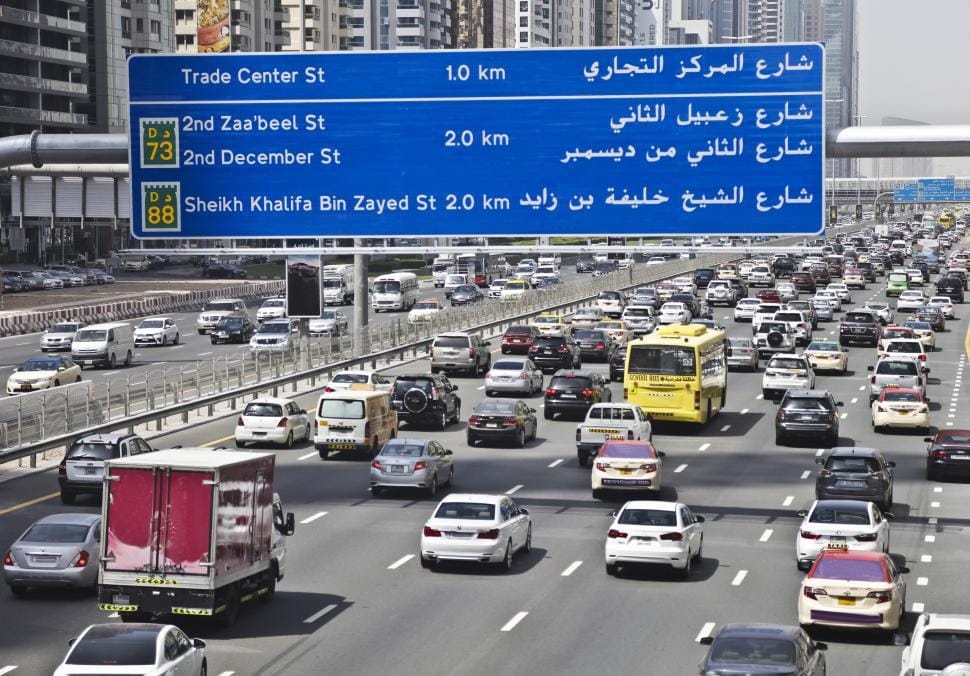


Driving in the United Arab Emirates gives an expat freedom to reach work, school, and home on a schedule that fits family life. A driving licence conversion lets many new residents change a licence from home into a UAE licence without a full driving course, when the home licence meets the official rules. This guide explains who can convert, what documents to prepare, and what steps to follow, in simple language.
The rules depend on the country that issued the home licence. Some countries are on an approved list for direct conversion, while other countries need a driving test, lessons, or a full course. The list can change, so the official RTA or Ministry of Interior guidance for the emirate of residence is the final check before an application starts.
Who can convert a driving licence in the UAE

Conversion is for a resident who holds a valid licence from home and a valid UAE residence visa. The applicant must meet the age rule for the vehicle class, pass an eye test at an approved centre, and present a licence that is not expired, damaged, or suspended. A licence that is written in a language other than English or Arabic usually needs a legal translation, and the translation must match the original name and licence class exactly. Suggested read: The H-1B visa overhaul explainer.
The approved country list is the key check. If the home country is on the list, the applicant can often convert directly after the eye test and document check. If the home country is not on the list, the applicant usually enters the normal driving licence process, which can include theory lessons, a theory test, practical lessons, and a road test. The exact route depends on the emirate, the licence class, and the driving history shown on the home licence.
A visitor on a visit visa is in a different position. A visitor may drive with a valid home licence and, in many cases, an international driving permit, for a short period, but a visitor cannot convert a licence into a UAE licence. Conversion starts after residence status is issued, and the residence visa, Emirates ID application, and address record should be ready before the first visit to a licensing centre.
Documents needed for driving licence conversion
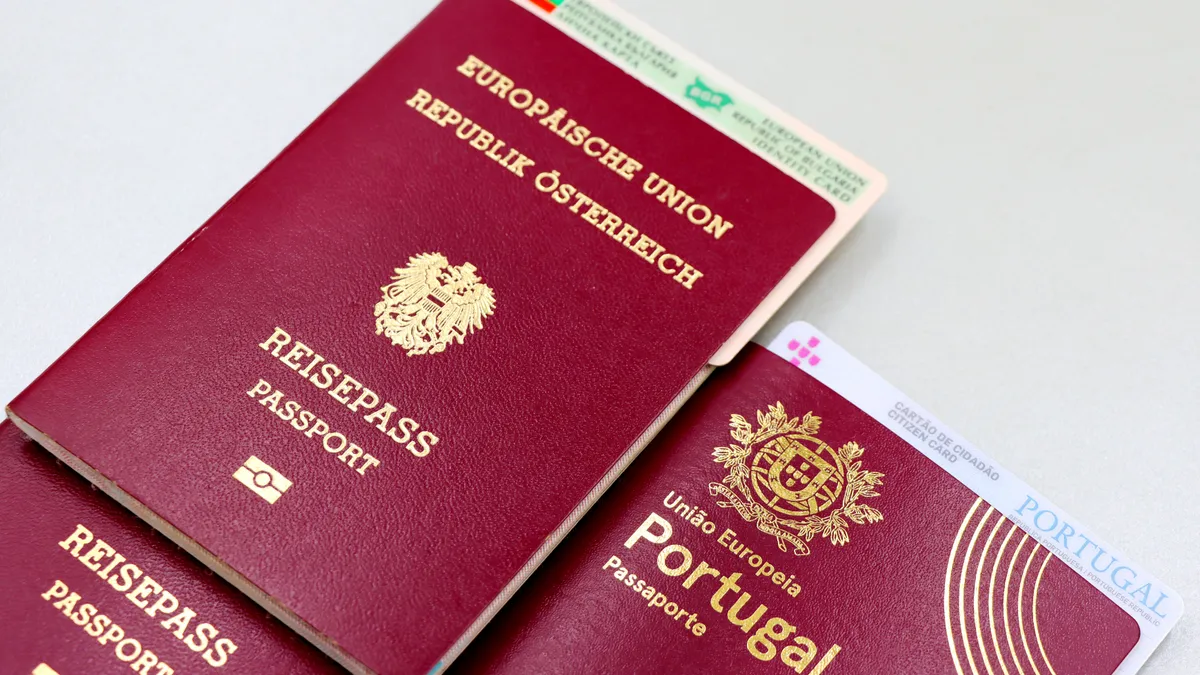
Prepare the original home licence and a clear copy, a valid passport, and the residence visa page or Emirates ID record. Add a legal translation if the licence is not in English or Arabic, and add a letter from the home licensing authority if the licensing centre asks for proof that the licence is valid. Keep the originals in hand, because a copy alone is often not accepted at the counter.
The eye test is a separate step at an approved optical centre or licensing centre. The result is usually recorded in the system, so the applicant does not need to carry a paper eye test report to every counter, but it is wise to keep any receipt or reference given at the test. If glasses or contact lenses are needed for driving, the eye test should be done with that correction, and the record should show the correct condition.
Names and dates must match across all documents. A middle name that is missing on one document, a date of birth written in a different order, or a passport number that changed after renewal can cause a delay. Fix the mismatch before the application, and bring the document that explains the change, such as a new passport, so the counter staff can update the record in one visit.
Steps to convert a driving licence
Start with the eye test, then open the application on the official licensing portal for the emirate, or visit an approved licensing centre or driving institute. Enter the personal details exactly as they appear on the passport and residence record, upload the licence copy and translation if needed, and check every field before payment. A small spelling error at this stage can send the application back for correction.
At the centre, staff check the original licence, the passport, and the residence record, and confirm the eye test result in the system. If the country is approved for direct conversion, the fee is paid and the new UAE licence is printed, often on the same visit or after a short processing period. If the country is not approved, staff explain the next step, which may be a theory test, a road test, or a full course, and give the file number for follow up.
When the new licence is ready, check the name, the licence class, the expiry date, and any condition shown on the card before leaving the centre. A licence class that does not match the vehicle the driver plans to use, or a name spelled differently from the passport, should be corrected at once, because later correction can need a new application. Keep the old home licence safe, because some centres keep a copy or the original, and the driver may need it for insurance or for driving abroad.
Do not drive on the home licence after the UAE licence is issued, and do not use the home licence as a substitute if the UAE licence is lost. Report a lost UAE licence through the official channel, and carry the new licence, the vehicle registration, and valid insurance when driving. Traffic rules, speed limits, and Salik toll rules in Dubai and Abu Dhabi still apply in full, and fines are linked to the licence and the vehicle plate.
Fees, timing, and licence validity

Fees depend on the emirate, the licence class, and whether the applicant needs lessons or tests, so the official fee list for the licensing authority should be checked before payment. A direct conversion usually has a licence issue fee and an eye test fee, while a full course adds lesson fees, test fees, and a file opening fee. Pay only through the official portal or centre counter, and keep the receipt with the file number until the licence is in hand.
Timing also varies. A direct conversion can be completed in one visit in many cases, while a course route can take weeks, depending on lesson slots, test dates, and the result of each test. Book lessons early, keep the file number ready, and do not plan travel that depends on the new licence until the card is issued. If a test is failed, the next date depends on the rules for that test and the available slots, so a calm plan for a second attempt is part of good preparation.
Licence validity depends on the residence status and the licence class. A UAE driving licence for a resident is usually linked to the residence visa period, and renewal needs a valid residence record and a new eye test in many cases. Check the expiry date on the card, set a reminder before expiry, and renew early, because driving with an expired licence can lead to fines and insurance problems. If residence status changes, check whether the licence record needs an update, and keep the Emirates ID and licence details consistent.
Common problems and licence renewal
The most common problem is a document mismatch. If the name on the home licence differs from the passport, the counter may ask for a corrected translation, a letter from the home authority, or a new passport record. Bring a second document that shows the same name, and ask what exact document will close the gap, instead of returning with a guess. A second visit with the right paper is faster than a first visit with a wrong paper.
Another common problem is an expired or unclear home licence. A licence that expired before the application, a licence with a damaged photograph, or a licence class that is not clear on the card can lead to a test or a full course, even if the country is on the approved list. Renew the home licence before travel if it is close to expiry, and keep a clear photograph of the front and back of the licence for reference.
Renewal of the UAE licence is simpler than the first conversion, but it still needs a valid residence record and, in many cases, a new eye test. Check the expiry date early, clear any unpaid traffic fines that block renewal, and update the address and contact details before payment. If the licence is lost or damaged, report it through the official channel, pay the replacement fee, and do not drive until the replacement card is issued.
- Original home licence and a clear copy
- Valid passport and residence record
- Eye test result at an approved centre
- Legal translation if the licence is not in English or Arabic
| Route | What is needed |
| Direct conversion | Eye test and document check |
| Course route | Lessons and driving tests |
Driving in the UAE after conversion
After conversion, the driver should learn the local road rules in detail, because speed limits, lane rules, and parking rules can differ from home. In Dubai, Salik toll gates charge a fee when a vehicle passes, and the Salik account must have enough balance, while in Abu Dhabi, a toll system also applies on main roads. Check the official toll portal for the emirate of travel, and keep the vehicle registration and insurance current.
Parking, seat belt use, and mobile phone rules are enforced with fines and, in some cases, black points on the licence. A driver who collects too many black points can face a licence suspension, so a calm and lawful driving style is not only safer, it also protects the licence. If a fine is issued, check it on the official portal, pay it on time, and keep the receipt, because an unpaid fine can block a later renewal.
For family driving, check child seat rules, school zone speed limits, and the rules for driving in rain or sand. A car that is well maintained, with working lights, brakes, and tyres, is part of safe driving, and a driver should carry water and a phone charger on long trips in summer. With the new UAE licence, a resident can drive with confidence, as long as the rules are followed and the licence, registration, and insurance are kept valid.
Driving licence classes and vehicle types
A UAE driving licence is issued for a specific class, and the class on the card must match the vehicle that is driven. A light vehicle licence covers a car and a light vehicle for personal use, while a motorcycle licence, a heavy vehicle licence, and a bus licence are separate classes with separate tests and age rules. A driver who converts a home licence should check that the converted class matches the home licence class, because a class that is missing on the new card cannot be used for that vehicle type.
Age rules are a basic check for every class. A light vehicle applicant must meet the minimum age for that class, and a heavy vehicle or bus applicant must meet a higher age rule and, in many cases, a longer experience rule. The licensing centre checks the date of birth on the passport and the residence record, so a date that is written in a different order on one document can cause a delay. Keep the passport and the residence record consistent, and bring a document that explains any change.
For a family, the light vehicle class is the most common, because it covers a car for work, school, and shopping. A driver who plans to drive a motorcycle for delivery work, a van for business, or a larger vehicle for a job should apply for the correct class from the start, instead of trying to add a class later with a separate test. Adding a class later is possible in many cases, but it needs a new application, a new eye test in some cases, and a test for that class.
A licence that is issued in one emirate is valid across the UAE, so a resident who moves from Dubai to Abu Dhabi, or from Sharjah to Ajman, does not need a new licence at once. The address record and the contact details should still be updated, because fines, renewal notices, and official messages go to the record on file. If a vehicle is registered in a different emirate from the licence, check the registration and insurance rules for that emirate, because vehicle rules can differ.
Insurance is linked to the licence class and to the vehicle. A driver should check that the insurance policy names the correct licence class and the correct driver, and that the policy is valid for the vehicle that is driven. An insurance claim can be refused if the driver was not licensed for that vehicle class, or if the licence was expired at the time of the incident. Keep a copy of the insurance policy in the car, along with the registration card, and check the renewal dates for both.
For new drivers, the first year after conversion is a time to learn local habits, such as roundabout rules, merging on highways, and parking in busy areas. Drive at a safe speed, keep a safe distance, and avoid using a mobile phone while driving, because fines and black points can add up quickly. A driver who follows the rules, keeps the licence valid, and renews on time will keep the freedom that a UAE driving licence gives, without avoidable fines or a suspension.
If a conversion application is refused, ask for the reason in writing, or at least in clear words at the counter, and keep the file number for the next visit. A refusal is often linked to a document, an eye test result, or a licence class that does not match, and each of those reasons has a different fix. A document problem can be fixed with a new translation or a letter from the home authority, an eye test problem can be fixed with a new test and the correct glasses, and a class problem can be fixed by applying for the correct class or by taking the test for that class. Do not pay a second fee until the reason is clear, and do not use an unofficial agent who promises a licence without a test, because that can lead to a fake document and a serious legal problem.
For a driver who needs a licence urgently for work, plan the route with the employer in mind. Tell the employer the realistic timing for a direct conversion or for a course, and ask whether a temporary transport option can be used in the meantime. A clear plan, with the eye test done first and the documents checked second, is the fastest lawful route, and it avoids the cost of a second application. Keep all receipts, file numbers, and test results in one folder, so a follow up visit is simple and the staff can see the full history at once.
A final check is to confirm that the address on file is current, because renewal notices and fines are sent to that address. A resident who moves home should update the address record at once, so a notice is not missed and a fine is not left unpaid. With the licence, the address, and the insurance all current, driving in the UAE stays simple and lawful.
Conclusion
Driving licence conversion in the UAE is a clear process when the documents match, the eye test is done early, and the approved country rule is checked first. A direct conversion can be fast, while a course route needs more time, lessons, and tests. In both cases, keep the receipt, the file number, and the new card details safe, check the licence class and expiry date at once, and follow the traffic rules on every trip. With that preparation, a new resident can move from a home licence to a UAE licence without avoidable delay.
FAQ
A resident with a valid home licence, a valid residence visa, and a pass in the eye test can apply, if the home country meets the official conversion rule. A visitor cannot convert a licence, and a licence that is expired, damaged, or suspended usually needs a different route.
Bring the original home licence and a copy, a valid passport, and the residence record, plus a legal translation if the licence is not in English or Arabic. An eye test at an approved centre is also needed, and a letter from the home authority may be asked for if the licence details are unclear.
A direct conversion can be completed in one visit in many cases, after the eye test and document check. A course route takes longer, because lessons, theory tests, and road tests depend on available slots and on the result of each test, so book early and allow extra time.
No, conversion is for residents, not visitors. A visitor may drive for a short period with a valid home licence and, in many cases, an international driving permit, but the conversion application starts after residence status is issued.
Yes, if the home licence is not in English or Arabic, a legal translation is usually required. The translation must match the original name, licence class, and dates exactly, so check it before the centre visit.
Check the name, the licence class, the expiry date, and any condition on the new card before leaving. A spelling error or a wrong class is easier to correct at the counter at once than through a later application.